The Botanical Palette: Natural Dyes in Moroccan Textiles
Explore Moroccan textiles’ natural palette—from madder reds and saffron golds to indigo and walnut browns. Artisans turn plants, minerals, and insects into vibrant cultural colors.
Have you ever noticed how the colors in an authentic Moroccan rug seem to glow with life? The secret lies not in modern chemicals but in the rich botanical heritage of Morocco. For centuries, artisans have transformed local plants, minerals, and insects into a living palette that connects textiles to the very landscape from which they come.
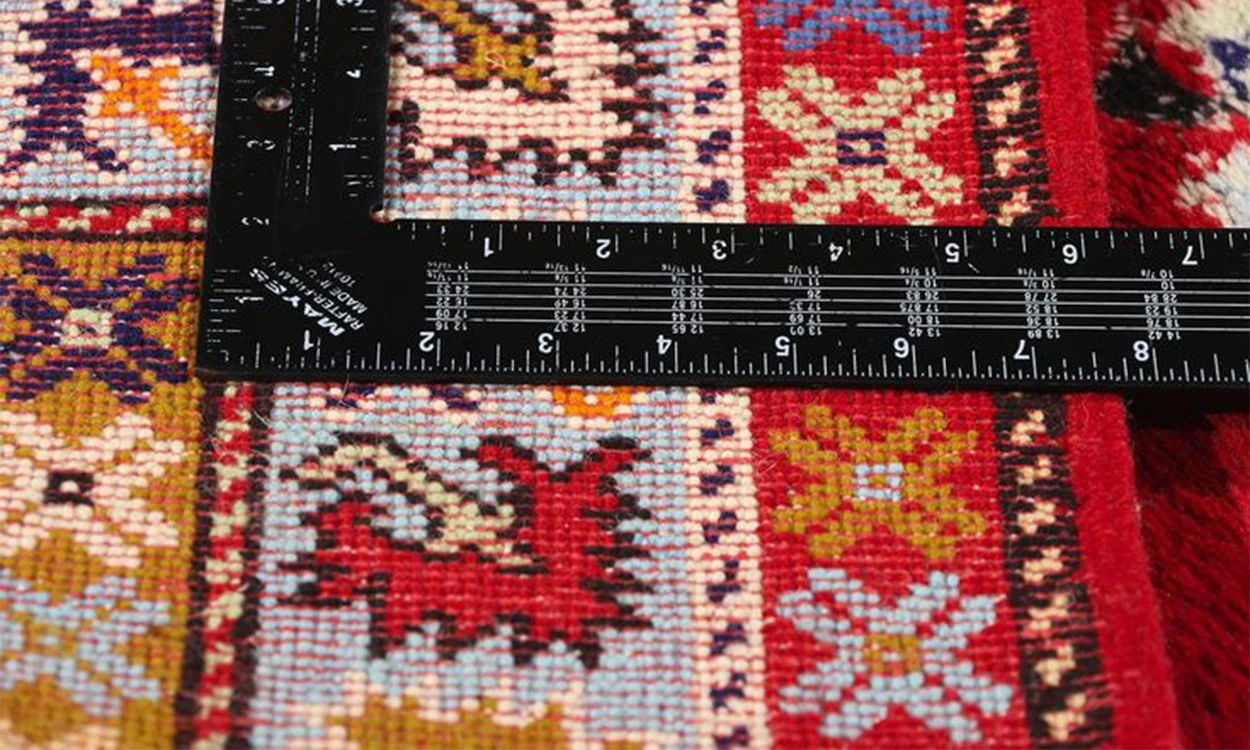
Unlike synthetic dyes, which produce uniform results with mathematical precision, natural dyes create living colors that contain subtle variations—signatures of authenticity that give naturally-dyed textiles their unique character and depth. These colors shift with the light, evolve over time, and tell the story of Morocco's remarkable natural abundance.
The Red Spectrum: From Rose to Crimson
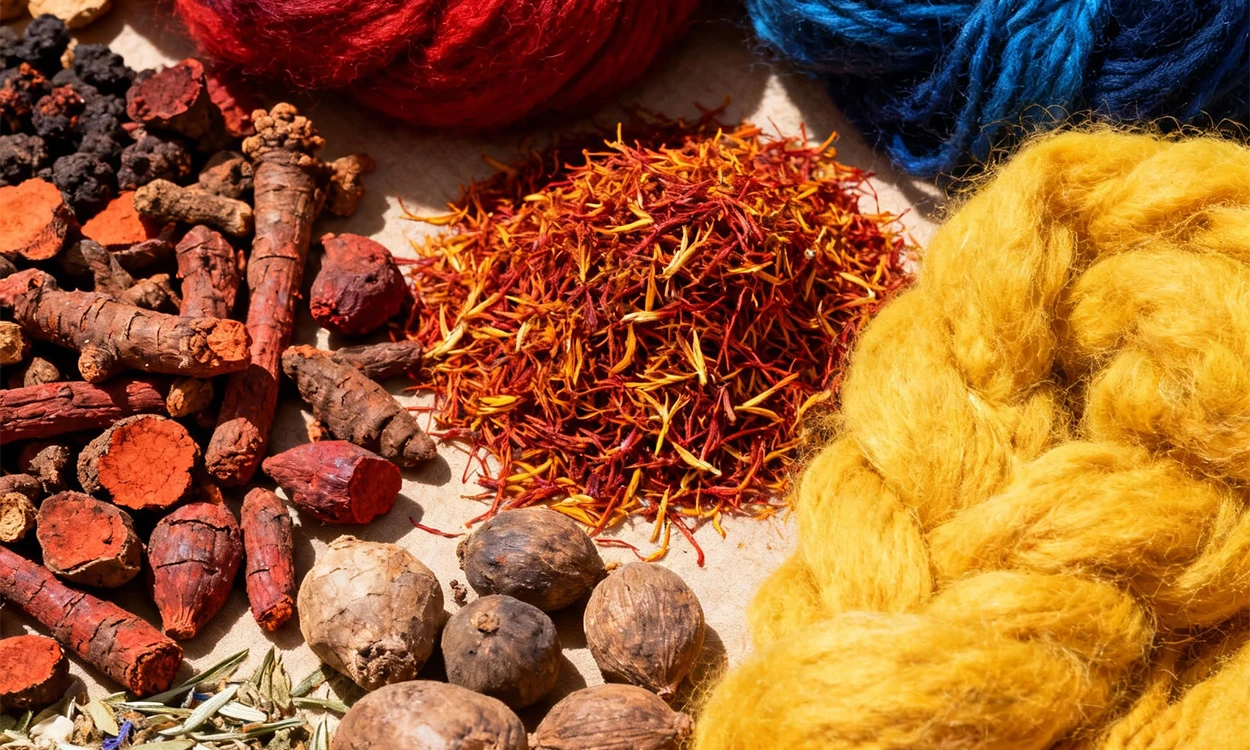
Madder Root (Rubia tinctorum): Perhaps the most important red dye source in Morocco, madder produces colors ranging from salmon pink to deep brick red. The roots must be at least three years old before harvesting and are then dried, ground, and often fermented before use. The resulting color is remarkably lightfast and develops a rich patina with age.
In the High Atlas Mountains, madder-dyed textiles often indicate special significance—these warm reds frequently appear in wedding rugs and ceremonial pieces. The plant's deep root system makes it a symbol of stability and endurance in Amazigh culture.
Cochineal: These small insects that feed on prickly pear cacti provide the most vibrant crimson dyes. The female insects are carefully harvested, dried, and ground to produce a powder that yields extraordinary, intense reds. The process is labor-intensive—it takes approximately 70,000 insects to produce a pound of dye—making cochineal one of the most precious dyestuffs used by Moroccan artisans.
Golds and Yellows: Capturing Sunshine
Saffron: The world's most expensive spice also produces exquisite golden yellow dyes. Used primarily for special pieces due to its cost, saffron creates luminous yellows with remarkable depth. The stigmas of the Crocus sativus are harvested by hand at dawn when the flowers first open, making this one of the most labor-intensive natural dyes in the Moroccan tradition.
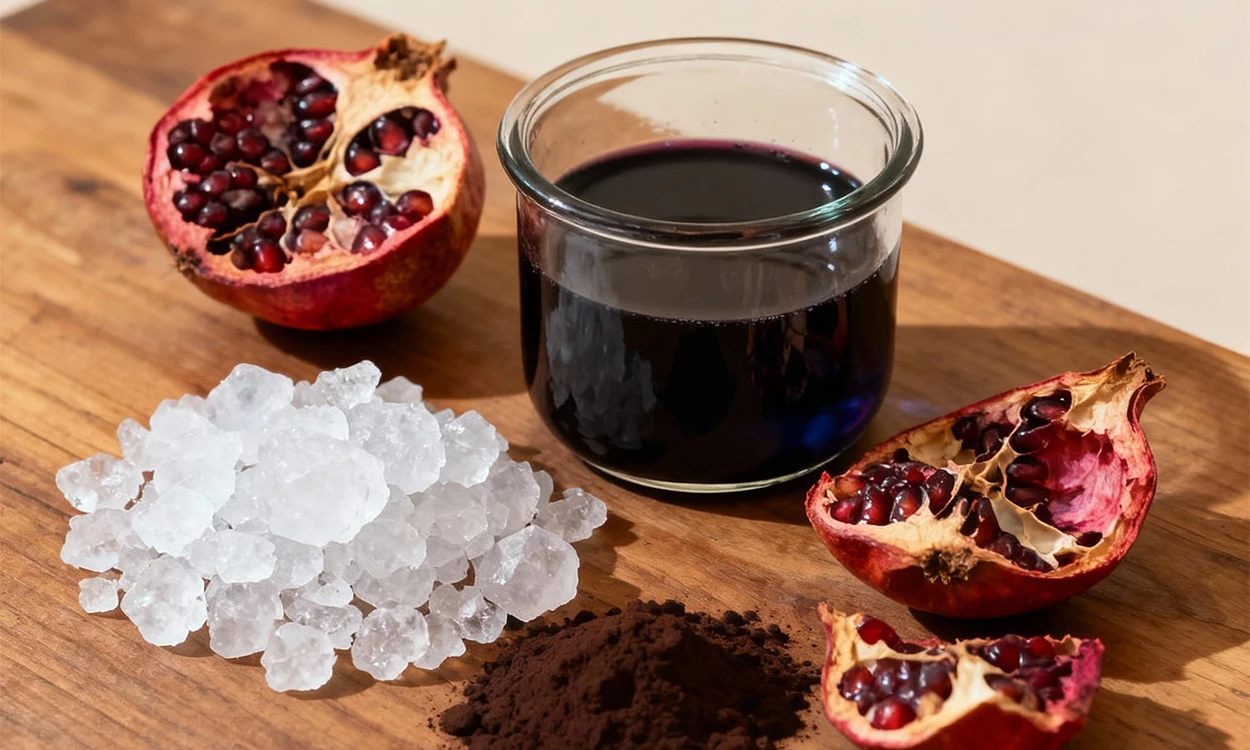
Pomegranate Rinds: The thick skins of this symbolic fruit produce warm yellows and yellow-tans while also acting as a natural mordant due to their high tannin content. In many regions of Morocco, pomegranate-dyed wool serves as the base layer for overdyeing with other colors to create complex, layered effects.
Wild Chamomile (Anthemis tinctoria): These abundant wildflowers from the Atlas Mountains yield clear, bright yellows that symbolize joy and prosperity in many Moroccan dyeing traditions. The flowers must be harvested at their peak and dried carefully to preserve their color potential.
The Blues: From Sky to Midnight
Indigo (Indigofera tinctoria): The process of creating blue from the indigo plant is perhaps the most alchemical of all natural dye methods used in Morocco. The leaves themselves aren't blue—the color emerges through a complex fermentation process that transforms the precursor compounds in the plant.
In traditional Moroccan dyeworks, you'll find special sunken vats dedicated solely to indigo dyeing. These vats are maintained for decades, with new materials periodically added to replenish the living fermentation culture. Master dyers can determine the health of an indigo vat simply by its smell and the appearance of the characteristic coppery sheen on its surface.
The fabric must be dipped repeatedly, with oxidation periods between each immersion, to build the color from pale sky blue to deep midnight. This labor-intensive process contributes to the cultural significance of indigo blue in Moroccan textiles.
Earth Tones: Grounding Colors
Walnut Husks and Bark: These produce a spectrum of browns from warm tan to deep chocolate. The outer green husks of walnuts are harvested when fresh and then fermented to develop the dyestuff. This dye is so colorfast that it needs no mordant and was traditionally used for travelers' garments that needed to withstand harsh conditions in the Atlas Mountains.
Henna: While famous for body art, henna also serves as an important textile dye in Morocco, creating reddish-browns and auburns. The leaves are dried, ground, and often mixed with other materials to modify the resulting color.
Iron-Rich Clay: Various mineral deposits throughout Morocco provide earthy ochres, rusts, and deep oranges. These mineral pigments, when properly prepared, create extraordinarily lightfast colors that anchor many traditional designs in Berber weaving.
Green: Symbol of Paradise
Green holds special significance in Islamic art and Moroccan culture, often representing paradise. Interestingly, most traditional green dyes are created through a two-step process rather than from a single source:
Yellow + Blue Overdyeing: Wool is first dyed yellow using plants like weld or pomegranate, then overdyed in an indigo bath to create green. This layering technique creates remarkable depth and complexity in the final color that synthetic dyes cannot match.
The specific shade of green achieved depends on both the yellow foundation and the depth of indigo overdyeing. Master dyers can create dozens of green variations through subtle adjustments to this process.
The Endangered Art of Natural Dyeing
This precious botanical knowledge faces challenges in the modern era. Synthetic dyes, introduced in the late 19th century, offer convenience and consistency but lack the living quality and ecological integration of natural alternatives.
Climate change and habitat loss also threaten the very plants that provide these colors. Some traditional dye sources have already become scarce in regions of Morocco where they were once abundant.
By supporting artisans who maintain traditional dyeing practices, we help preserve not just beautiful colors but a profound form of ecological wisdom that connects human creativity to the natural world in harmonious, sustainable ways.