Beyond the Floor: Creative Uses for Moroccan Textiles
Explore creative ways to use Moroccan textiles beyond rugs—from wall hangings to layered cushions—adding texture, culture, and authenticity to every space.
Are your walls and furniture feeling a bit flat? Authentic Moroccan textiles offer more than just beautiful floor coverings. These versatile cultural treasures can transform your space with rich textural dimension when used as wall hangings, furniture accents, and decorative elements throughout your home. Learn how to incorporate these handcrafted pieces in ways that honor their heritage while adding distinctive character to any room.
Traditionally, Moroccan textiles served multiple functions in Berber homes across the Atlas Mountains. This versatility makes them perfect for adding texture and cultural depth throughout contemporary spaces without being limited to conventional floor placement.
Wall Hangings with Presence and Purpose
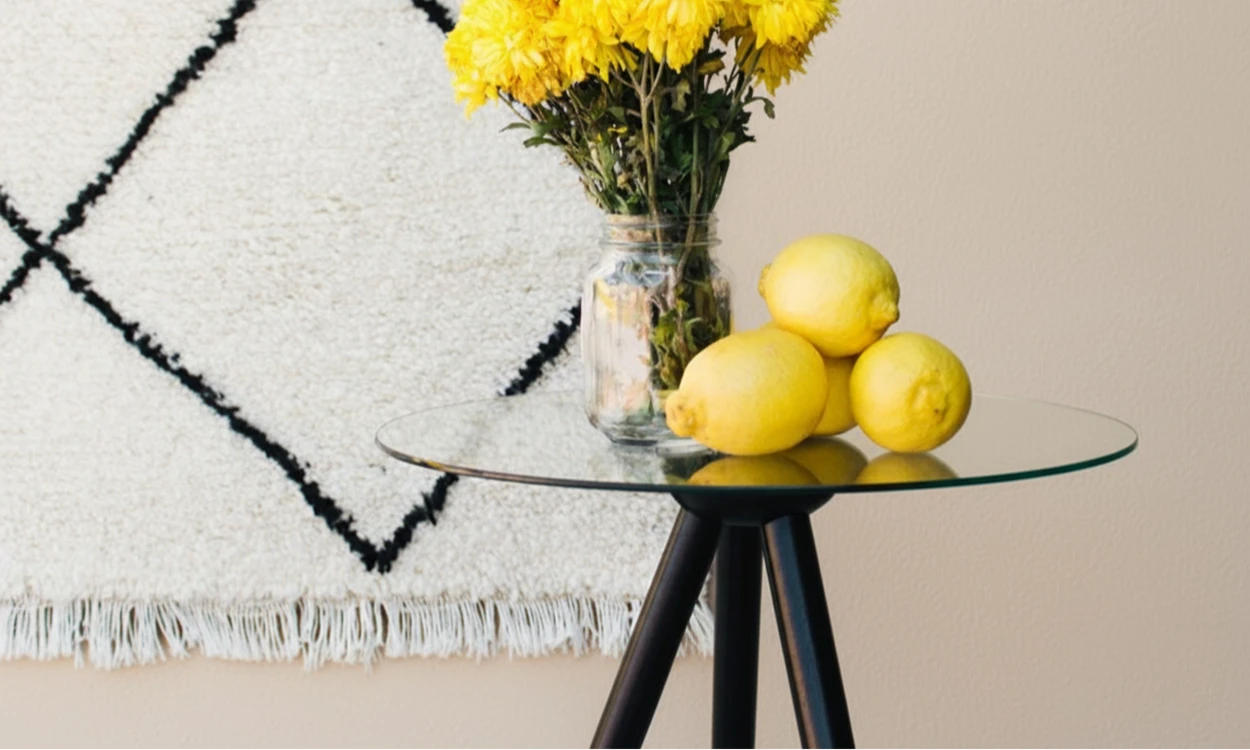
Mounting distinctive Moroccan textiles on walls brings their intricate patterns and textures to eye level, allowing for deeper appreciation of the craftsmanship in ways that floor placement sometimes doesn't permit. This vertical presentation transforms textiles from practical items to artistic focal points.
Wedding Blankets as Statement Art
Traditional Moroccan wedding blankets (handiras) with their distinctive metallic sequins make spectacular wall hangings. Originally created to bless and protect newlyweds, these special textiles catch light in remarkable ways that animate walls with subtle movement and reflect their ceremonial significance.
Styling Tip: Rather than pressing these textiles flat against walls like conventional framed art, use mounting methods that maintain some of their dimensional quality. Simple wooden dowels with discreet clips allow the fabric to retain natural drape and movement, preserving its organic character.
Rug Fragments as Focused Displays
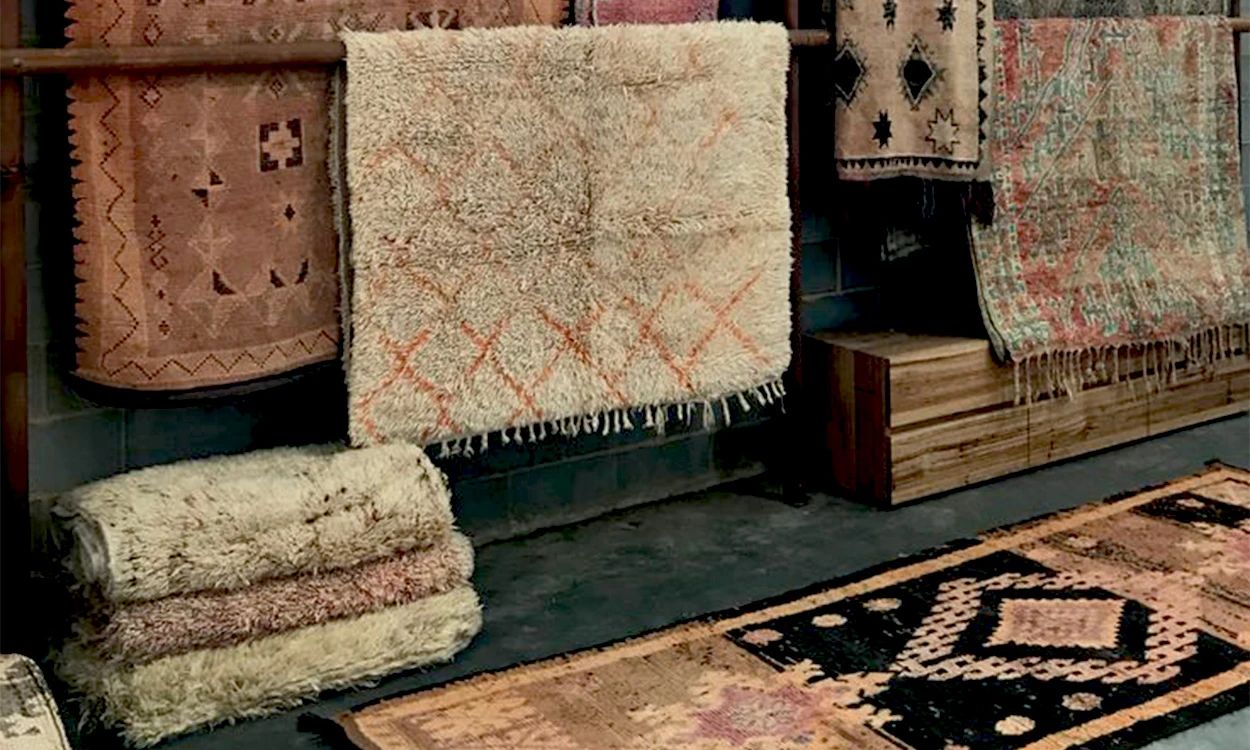
Vintage rug fragments that may be too delicate for floor use can find new life as wall art. A beautiful section of an aged Azilal or Boujaad rug can create a powerful focal point while preserving a textile that might otherwise be discarded. This approach celebrates the history and patina of these pieces while extending their lifespan.
Styling Tip: When displaying rug fragments, consider custom mounting solutions that protect delicate edges while showcasing the most interesting pattern sections. This careful presentation honors the textile's age and cultural significance.
Furniture Accents: Draping and Layering
Smaller Moroccan textiles can transform furniture pieces through thoughtful draping and layering. A vintage Berber textile over the back of a simple sofa or contemporary chair adds color, pattern, and protection simultaneously. This approach allows seasonal refreshing of your space without major investment.
Casual Draping Technique
The key to successful textile draping is embracing casual asymmetry rather than perfect placement. Avoid the stiff, formal look of perfectly centered throws in favor of more natural, slightly off-center positioning that suggests everyday use rather than museum-like staging.
Styling Tip: For sofas, try folding a smaller kilim or flatweave into a runner-like shape and placing it along the back with one end draped further down the side. This creates visual interest while providing practical protection for high-contact areas.
Seasonal Rotation System
Create a collection of different Moroccan textiles that can be rotated seasonally. Heavier wool pieces with rich colors work beautifully in winter months, while lighter flatweave textiles in cooler tones can transform the same furniture for summer.
Styling Tip: Store off-season textiles properly by rolling (never folding) them around archival tubes with acid-free tissue. This preserves these cultural treasures while creating a sustainable system for refreshing your space throughout the year.
Dimensional Cushion Arrangements
Cushions made from Moroccan textiles add immediate color, texture, and comfort to seating areas. Unlike generic throw pillows, these pieces carry cultural significance and craftsmanship that elevate your entire living space with authentic character.
Creating Sophisticated Groupings
The most interesting cushion arrangements combine pieces from different Moroccan textile traditions rather than matching sets. This thoughtful variation in pattern scale, color intensity, and texture creates sophisticated, collected-over-time compositions that tell a more interesting story than perfectly coordinated store-bought pillows.
Styling Tip: Mix bolder patterned cushions from traditions like Boujaad or Boucherouite with more subdued pieces from Beni Ourain or Middle Atlas regions. Include some solid-colored cushions in complementary tones to provide visual rest and balance the composition.
Practical Uses in Different Home Settings
Beyond purely decorative applications, Moroccan textiles can serve practical functions in various home settings:
In Small Spaces
In apartments or smaller homes, wall-mounted Moroccan textiles can create the illusion of architectural features where none exist. A carefully placed handira or kilim can define a dining area in an open-concept space or create a headboard effect in a bedroom without requiring additional floor space.
Styling Tip: In smaller spaces, choose textiles with more spacious, open patterns rather than densely detailed pieces that might feel visually overwhelming in limited square footage.
In Rental Properties
For those in rental homes with limitations on permanent changes, Moroccan textiles offer a portable way to add character and warmth without alterations. Wall-hanging systems that don't damage surfaces allow you to transform generic rental spaces while maintaining lease compliance.
Styling Tip: Use tension rods inside window frames to hang smaller textiles as alternative curtains, or try command hooks with thin wooden dowels for wall displays that won't damage rental walls.
Honoring Heritage Through Display
However you choose to incorporate Moroccan textiles as accents, approaching them with cultural respect enhances both their beauty and meaning in your space:
Learn the Story: Take time to understand the specific tradition and region your textile represents. This knowledge transforms your relationship with the piece from purely decorative to meaningfully connected.
Share Appropriately: When friends admire your textile accents, briefly share their origins and significance. This simple attribution honors the artisans and traditions while educating others about these cultural treasures.
Proper Care: Implement appropriate care routines for these special pieces, including gentle cleaning methods and protection from direct sunlight that could fade natural dyes. Proper stewardship ensures these textiles can be enjoyed for generations.
By incorporating Moroccan textiles as thoughtful accents throughout your home, you create spaces with depth, character and cultural connection that mass-produced alternatives simply cannot provide. These versatile treasures bring living heritage into contemporary settings while adding the textural dimension that makes a house truly feel like home.