Seasonal Styling: Adapting Moroccan Textiles Year-Round
Discover how Moroccan textiles suit every season—from cozy Beni Ourain rugs in winter to airy flatweaves in summer—refreshing your home while honoring tradition.
How can your home reflect seasonal changes without constant redecorating? Authentic Moroccan textiles offer a sustainable solution with their remarkable versatility and range of weights, textures and colors. Learn how traditional pieces from Morocco's diverse regions can be thoughtfully rotated and restyled throughout the year, creating subtle shifts in your home's atmosphere while maintaining cultural depth and design integrity.
Unlike trend-driven decor that quickly feels dated, high-quality Moroccan textiles from the Atlas Mountains region represent a timeless investment that can adapt to changing seasons year after year. Their handcrafted nature and cultural significance provide depth that mass-produced seasonal decor simply cannot match.
Winter Warmth: Embracing Texture and Depth
During colder months, Moroccan textiles can transform your space with both physical warmth and visual coziness through thoughtful selection and layering techniques.
Rug Selection for Winter Comfort
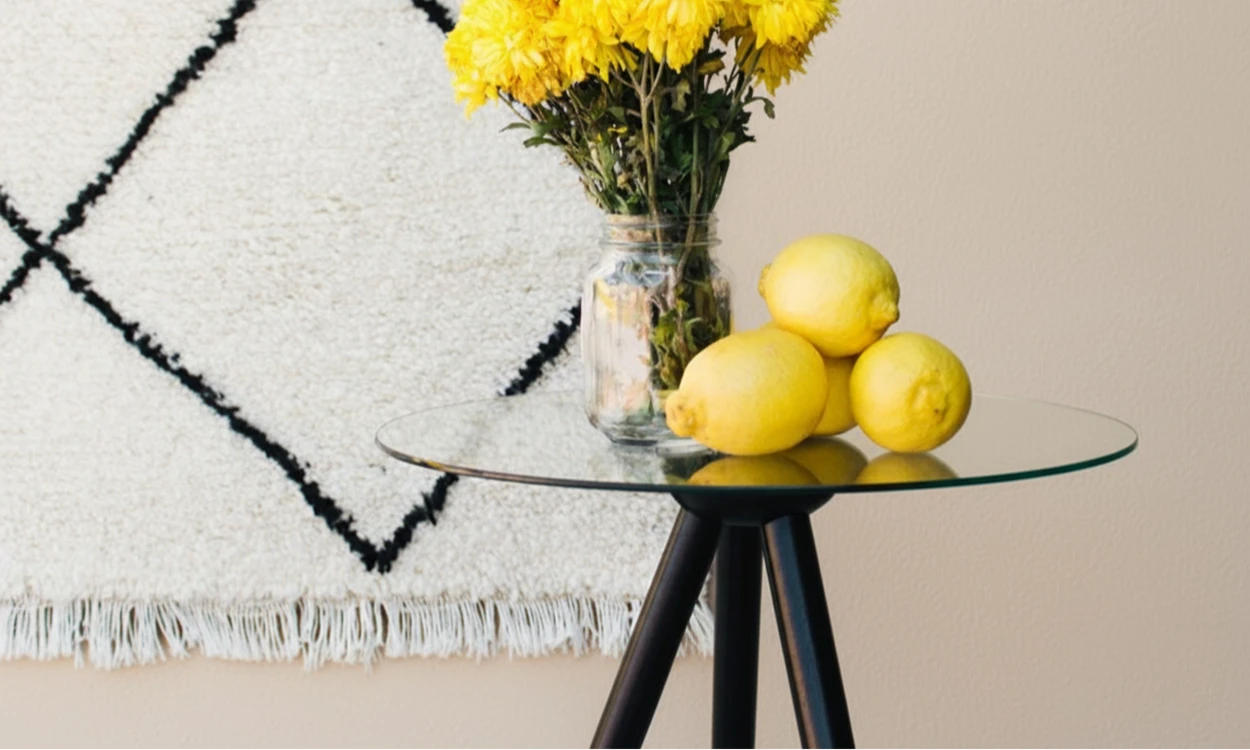
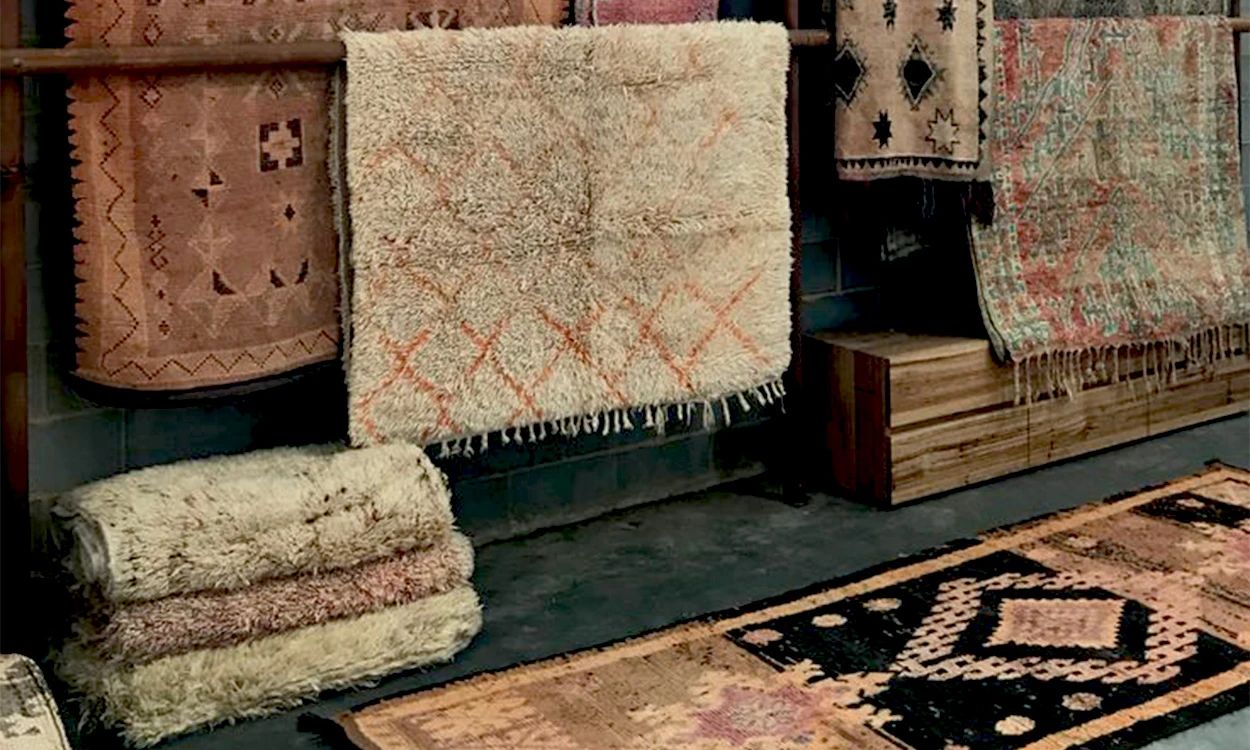
The plush pile of traditional Beni Ourain rugs makes them perfect winter foundations. Originally designed to provide warmth in the cold Atlas Mountains, these thick wool rugs create instant coziness underfoot. Their neutral cream backgrounds with dark geometric patterns work beautifully with winter's muted light, providing visual warmth without competing with holiday decorations.
Styling Tip: For maximum winter impact, choose vintage Beni Ourain pieces with slightly higher pile and naturally softened wool. The patina of gentle age creates a sense of established comfort perfect for winter months.
Layering for Dimensional Warmth
Winter presents the perfect opportunity to experiment with textile layering. In Berber tradition, multiple textiles often serve different practical and decorative functions in the same space. This layered approach creates visual complexity and physical warmth ideal for colder seasons.
Styling Tip: Try layering a smaller, colorful flatweave kilim at an angle atop a larger neutral Beni Ourain base. This creates visual interest while allowing different textile traditions to complement each other. Add a folded Berber blanket nearby for both practical warmth and additional textural contrast.
Rich Winter Color Stories
Winter is the perfect season to incorporate Moroccan textiles with deeper, richer color stories. Boujaad rugs with their characteristic reds and pinks bring welcome warmth to winter rooms. Traditional pieces from southern Morocco often feature warming spice tones achieved through natural dyes like madder root and pomegranate that perfectly complement winter's more intimate atmosphere.
Styling Tip: Echo the deeper hues found in your winter textiles through complementary elements like ceramic vessels in similar tones or brass accents that pick up the metallic elements in wedding blankets.
Summer Lightness: Airy Textural Refreshes
As temperatures rise, Moroccan textiles can be rotated and restyled to create lighter, breezier environments without losing cultural connection or design integrity.
Flatweave Focus
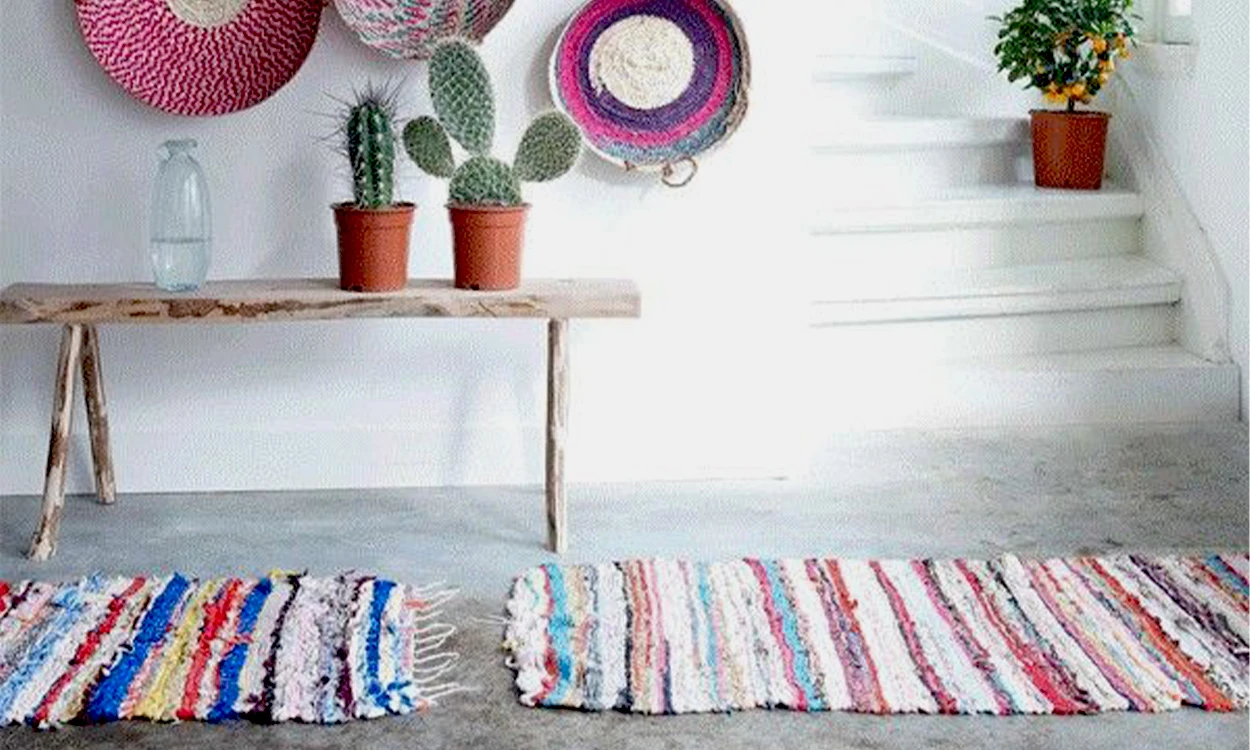
Summer is the ideal season to showcase Moroccan flatweave textiles. Traditional kilims and hanbels with their lighter construction provide pattern and color without the heavier warmth of pile rugs. Many flatweave traditions from Morocco's Middle Atlas region feature more open patterns and incorporate cotton elements that feel appropriately seasonal.
Styling Tip: Look for vintage flatweaves that have softened with age, as they tend to have more muted colors perfect for summer's bright light. Their thinner profile works well in warm weather while still providing the cultural depth missing in mass-produced summer textiles.
Cooler Color Stories
While many associate Moroccan textiles with warming earth tones, numerous regional traditions feature cooler palettes perfect for summer styling. Textiles from Morocco's coastal and northern regions often incorporate blues and greens achieved through traditional indigo and copper mordant techniques.
Styling Tip: During summer months, prioritize textiles featuring indigo blues, soft natural whites, and pale vegetable-dyed yellows. These cooler tones maintain Moroccan authenticity while creating a visually cooling effect.
Indoor-Outdoor Transitions
Many traditional Moroccan textiles were designed for versatile use in Morocco's varied climate, making them perfect for summer's indoor-outdoor living. Smaller flatweaves can move between spaces as needed, extending your living area while maintaining design cohesion.
Styling Tip: During summer evenings, bring lighter Moroccan textiles outdoors as table coverings or casual seating areas on patios. Many traditional designs were originally created for both indoor and outdoor functions in rural Moroccan communities.
Transitional Seasons: Thoughtful In-Between Styling
Spring and autumn offer unique opportunities to showcase the adaptability of Moroccan textiles during these transitional periods.
Spring Refresh Techniques
Spring calls for Moroccan textiles that bridge winter's coziness and summer's lightness. This transitional season is perfect for introducing pieces with more color variation after winter's neutrals but before summer's lighter approach.
Styling Tip: Azilal rugs with their colorful geometric patterns on lighter backgrounds work beautifully in spring. Their varied palette often incorporates fresh colors achieved through natural dyeing techniques that echo spring's awakening energy while maintaining sufficient substance for cooler evenings.
Autumn Grounding Elements
As summer fades, Moroccan textiles can ease the transition to cooler weather with pieces that incorporate warmer tones while maintaining visual lightness. Autumn is the perfect season for textiles featuring natural dyeing techniques that showcase earth tones and spice colors.
Styling Tip: Look for pieces featuring colors achieved through walnut husks, pomegranate rinds, and henna—all traditional Moroccan dye sources that create the perfect autumn palette. These naturally dyed textiles connect seasonal decor to authentic cultural traditions rather than commercial trends.
The Practical Side of Seasonal Rotation
Beyond aesthetics, thoughtful seasonal rotation of Moroccan textiles offers practical benefits and ensures proper care of these cultural treasures.
Preservation Through Rotation
Regularly rotating textiles helps preserve them by distributing wear and limiting exposure to elements like sunlight that can fade natural dyes. This practice extends the life of these special pieces while allowing you to enjoy their full range throughout the year.
Storage Tip: When storing seasonal Moroccan textiles, always roll rather than fold to prevent permanent creasing. Use acid-free tissue paper and store in a cool, dry place away from direct sunlight. For valuable pieces, consider cotton storage bags that allow textiles to breathe while protecting from dust.
Sustainable Decoration Strategy
Creating a seasonal rotation system with quality Moroccan textiles offers a more sustainable approach to home styling than purchasing trend-based seasonal decor. These handcrafted pieces maintain their beauty and relevance year after year, creating a more mindful approach to seasonal refreshes.
Investment Tip: When building your collection, focus on acquiring versatile pieces that can serve different functions across seasons. A medium-sized textile might function as a rug in summer, a throw in autumn, and a wall hanging in winter, maximizing its utility throughout the year.
Cultural Depth in Seasonal Styling
As you adapt Moroccan textiles throughout the seasons, maintaining awareness of their cultural significance enhances both their beauty and meaning in your home.
Traditional Moroccan textile creation often followed seasonal rhythms—from the shearing of sheep to natural dyeing processes tied to plant availability. By rotating these pieces with the seasons, you connect to this traditional cycle in a meaningful way that transcends purely decorative concerns.
This mindful approach to seasonal styling with authentic Moroccan textiles creates living spaces that respond to natural rhythms while maintaining the cultural depth and artisanal quality that make these pieces so special. Rather than constantly purchasing new decorative items, you cultivate a thoughtful relationship with quality pieces that evolve with your space throughout the year.