The Core Vocabulary: Common Symbols in Berber Rugs
Decode Berber rugs: diamonds show feminine power, triangles offer protection, zigzags tell life’s stories, turning patterns into rich cultural narratives.
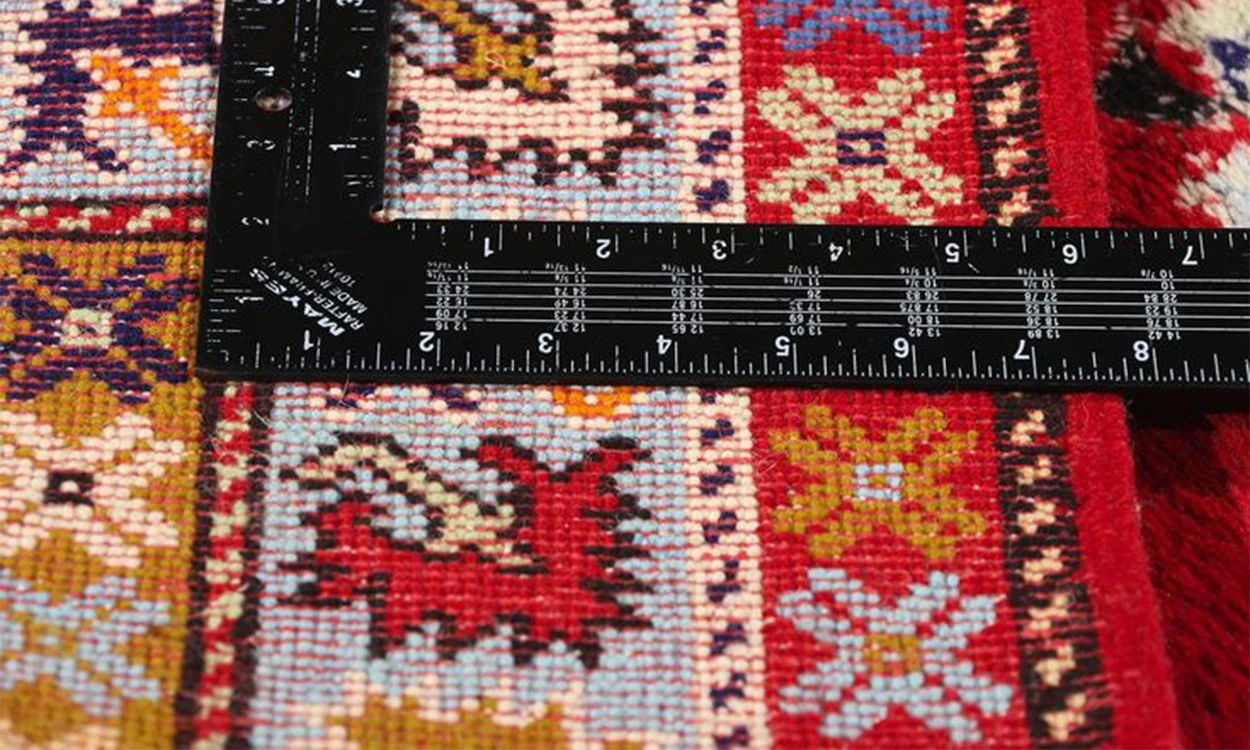
Have you ever wondered what the geometric patterns in traditional Berber rugs actually mean? These seemingly simple designs—diamonds, zigzags, triangles—are actually part of a sophisticated visual language developed by Amazigh women over centuries. Understanding this symbolic vocabulary transforms these textiles from beautiful decorations into narrative artworks that connect us to generations of cultural wisdom.
The Hidden Language of Berber Textiles
In communities where female literacy was historically limited, rugs became a primary medium of expression—a "women's writing" that preserved personal stories, cultural wisdom, and spiritual beliefs. Each weaver develops her own symbolic vocabulary, drawing from shared cultural traditions while adding personal interpretations.
Human Experience Symbols
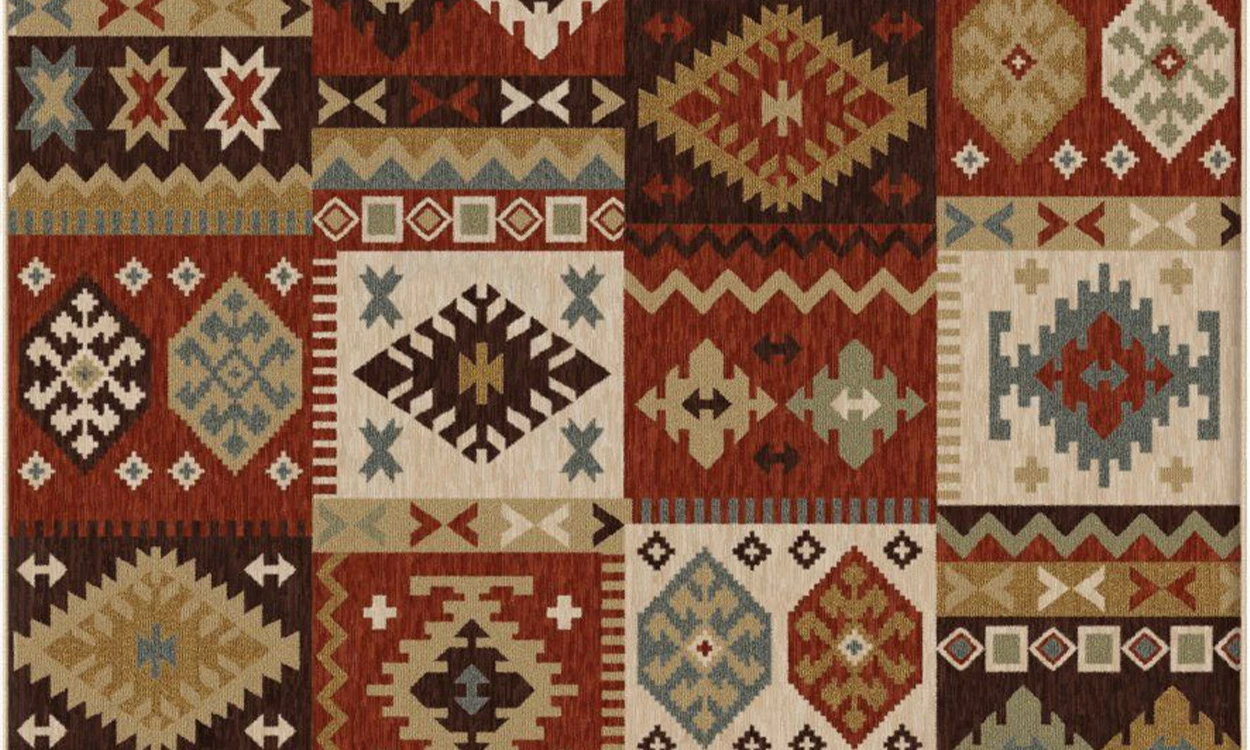
The Diamond (Lozenge): The most ubiquitous Berber symbol represents the female form and fertility. Often featuring an eye-like dot in the center, this symbol can represent protection against the evil eye or female creative power. Diamonds arranged in vertical lines often tell the story of matrilineal descent, with each representing a generation of women.
The Triangle: Representing the feminine principle, triangles pointing upward often symbolize protection or a man, while downward-pointing triangles typically represent a woman. These symbols can also represent mountains or tents, connecting the weaver to the landscape and traditional nomadic lifestyle of the Atlas Mountains region.
The Hand (Khamsa): This stylized five-fingered hand appears in various forms across different High Atlas rug traditions. The symbol connects to the broader cultural significance of the khamsa as a protective emblem across North Africa.
Natural World Symbols in Amazigh Weaving
Zigzags: Often representing flowing water or rivers, zigzag patterns can symbolize life's journey, purification, or the precious nature of water in arid regions. These patterns might also represent the mountains and valleys of the weaver's homeland.
X Forms: These commonly represent stars or human figures with outstretched arms in poses of prayer. Stars hold significant cultural importance in Berber symbolism, representing guidance and fate.
Animal Tracks: Small repeated patterns may represent the tracks of significant animals like wolves or birds. These can symbolize protection or qualities associated with specific creatures in Berber folklore from the Atlas region.
Spiritual Protection Symbols
The Cross: Predating Christian influence in North Africa, the cross in Berber symbolism represents the four cardinal directions and protection of the space from all sides. It can also symbolize the intersection of heaven and earth.
The Eye: Protective against the evil eye, this symbol appears in countless variations across traditional Moroccan rugs. It represents vigilance and spiritual awareness while warding off negative energies.
Chevrons: These V-shaped symbols often represent protection and can be stacked to create borders that symbolically guard the central field of the rug.
How Color Enhances Symbolic Meaning
In traditional Berber weaving, colors carry their own symbolic meanings that interact with the geometric forms:
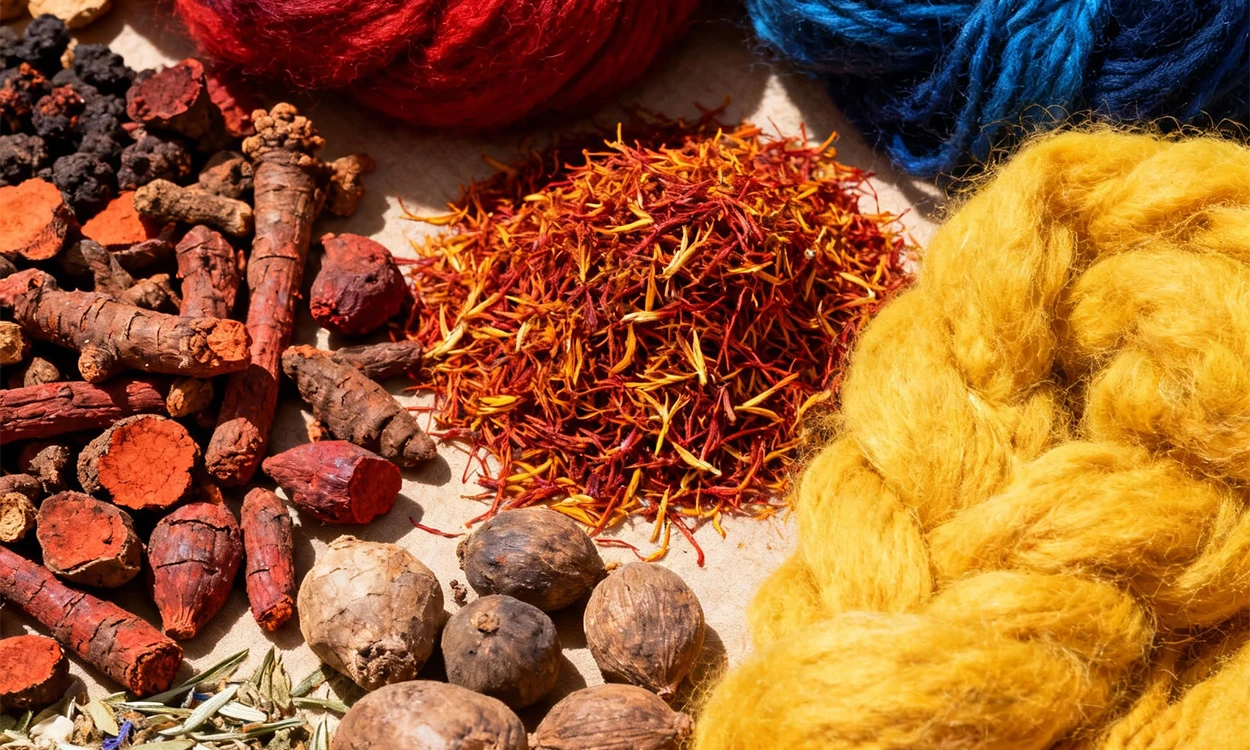
Red: Represents strength, protection, and fertility. It features prominently in rugs made for newly married couples.
Blue: Associated with spiritual protection, wisdom, and the heavens.
Yellow: Symbolizes eternity, renewal, and joy.
Undyed Wool: Represents purity, peace, and spiritual cleansing.
Reading the Symbolic Stories
When examining an authentic Berber rug, consider how symbols are arranged to tell a story. Symmetrical arrangements often represent balance and cosmic order, while asymmetrical compositions frequently tell personal narratives. Border symbols typically offer protection, defining and securing the space within.
Understanding these symbols transforms how you experience these extraordinary pieces. Far from being mere decorative objects, authentic Berber rugs are narrative artworks that connect us to generational wisdom and a profound tradition of female artistic expression in the Atlas Mountains of Morocco.